Lesson Planning
My Lesson Planning:
My lesson planning process often starts with the end goal in mind. Whether this is a concept I want the students to learn, a standard that needs to be met, or a goal that a student is working on. Once I have the end goal I consider how I want my students to get there. The “how” is determined by student’s background knowledge, their interests, and their needs. I want my lessons and days to have variety. Therefore, my lessons and lesson planning process may look different depending on the topic and methods I am using. However, when constructing lessons, there are a few key element I make sure to keep in mind.
Standard and goals:
When creating lessons I think starting with the standards or goals can help to create a road map for the school year, and it ensures students are getting instruction that is appropriate and necessary for their educational path. It is also important to note, that in special education you also have to take student’s goals into consideration. I find that like standards, goals can be a great starting point, as it helps to ensure students are getting their educational needs met. I see standards and goals as an opportunity to be creative. While some may see them as limiting, there are many ways to meet standards and goals, and as teachers we get to discover new engaging mays to fulfill them.
Hands on Experience:
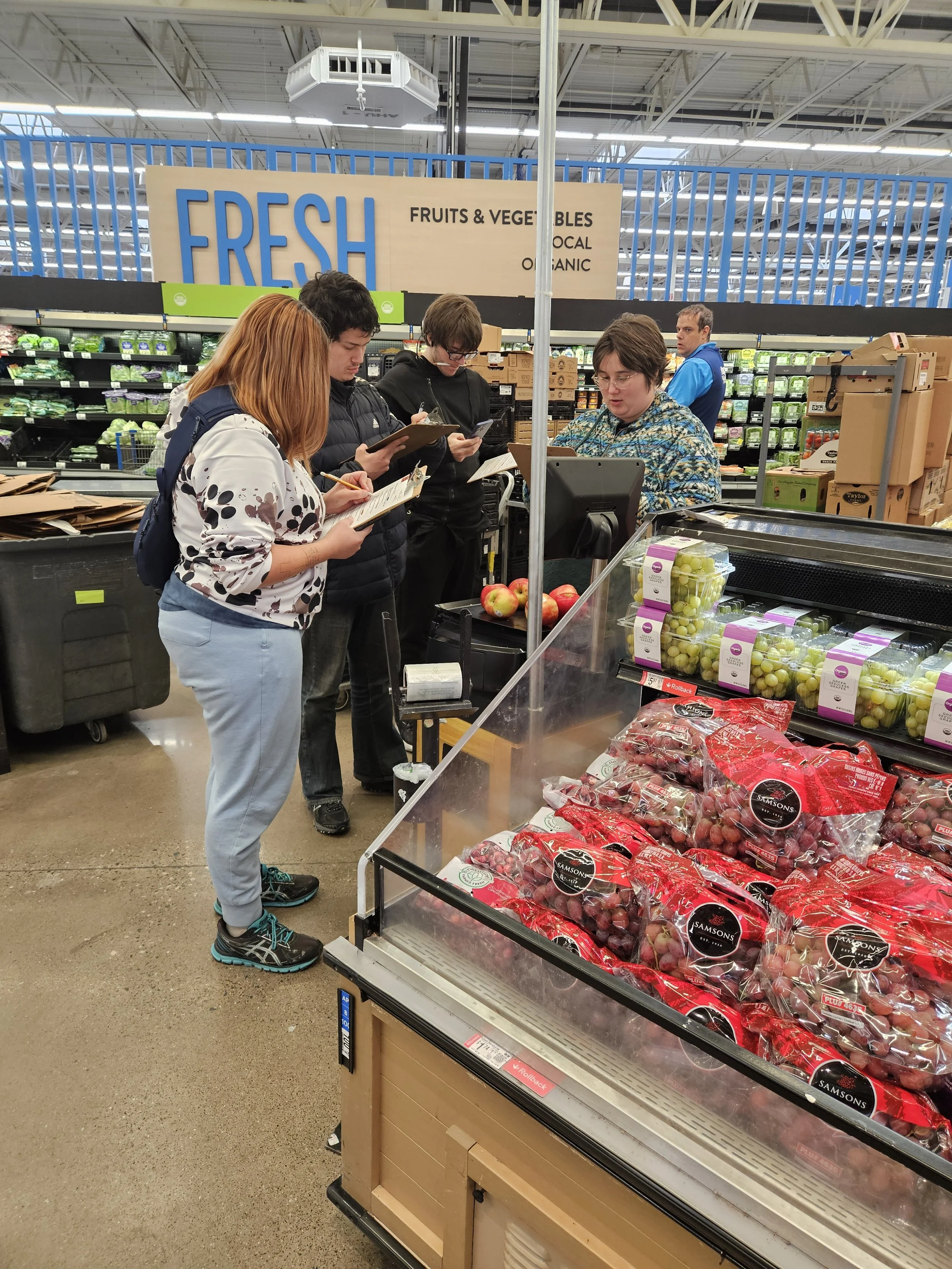
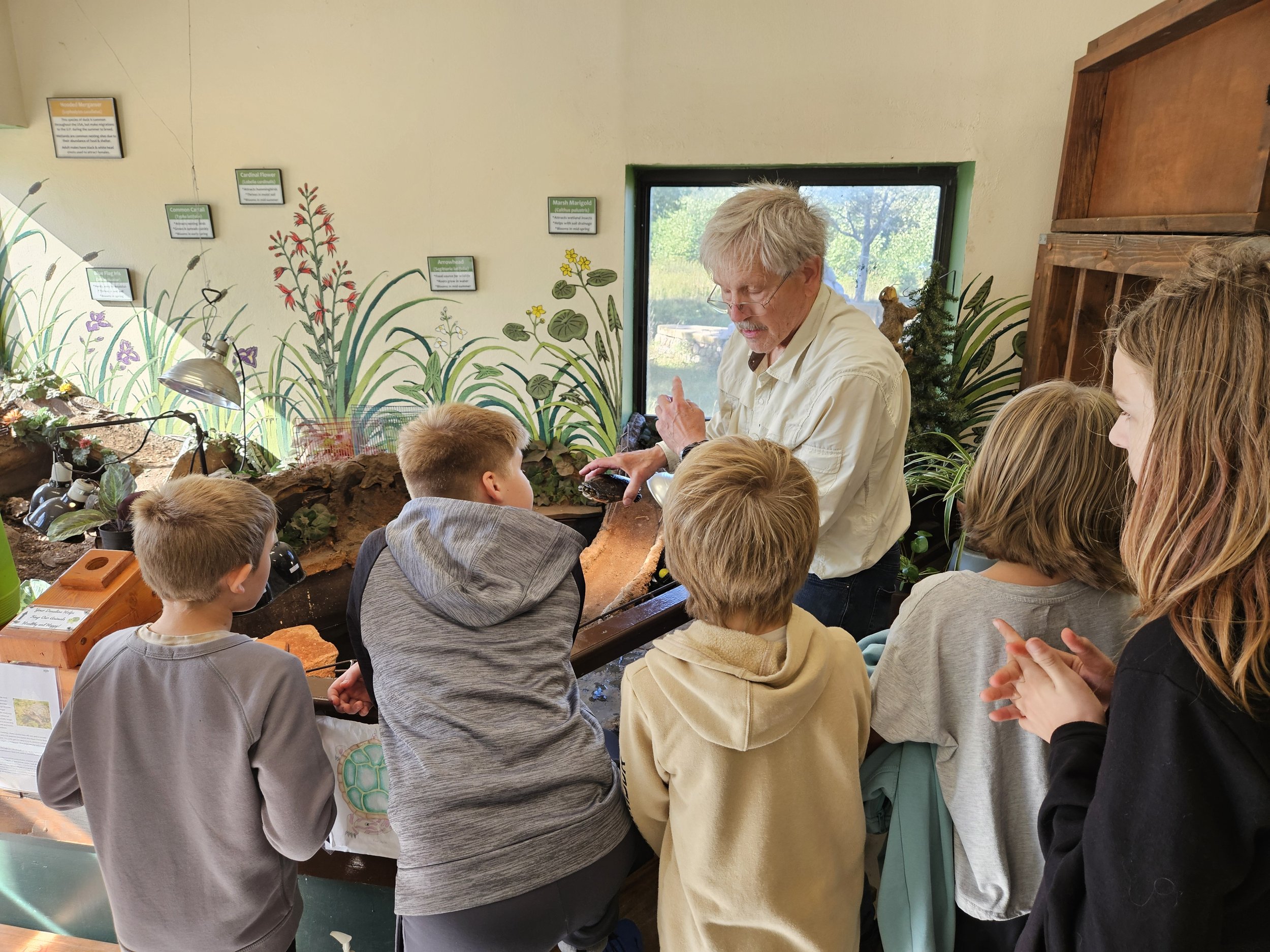
When possible, I try to get students out of their chairs moving around. I believe students learn best when they are able to put their knowledge into practice. This could be through an experiment, field trip, project, etc. These experience take lessons from the theoretical and make them come to life. I was able to do several times in my student teaching. One example being a price per pound lesson at the MARESA Transition Program. I taught students about price per pound in the classroom, then the next day we went to the store and they were able to put what they learned into practice. Another example is when I took my 6th and 7th grade students to Moosewood Nature Center to learn about plant and animal identification and survival skills in correlation to the novel My Side of The Mountain. While these are just two examples, every experience I have had with hands on learning has been a wonderful experience for the students and teachers.
Scaffolding Knowledge:
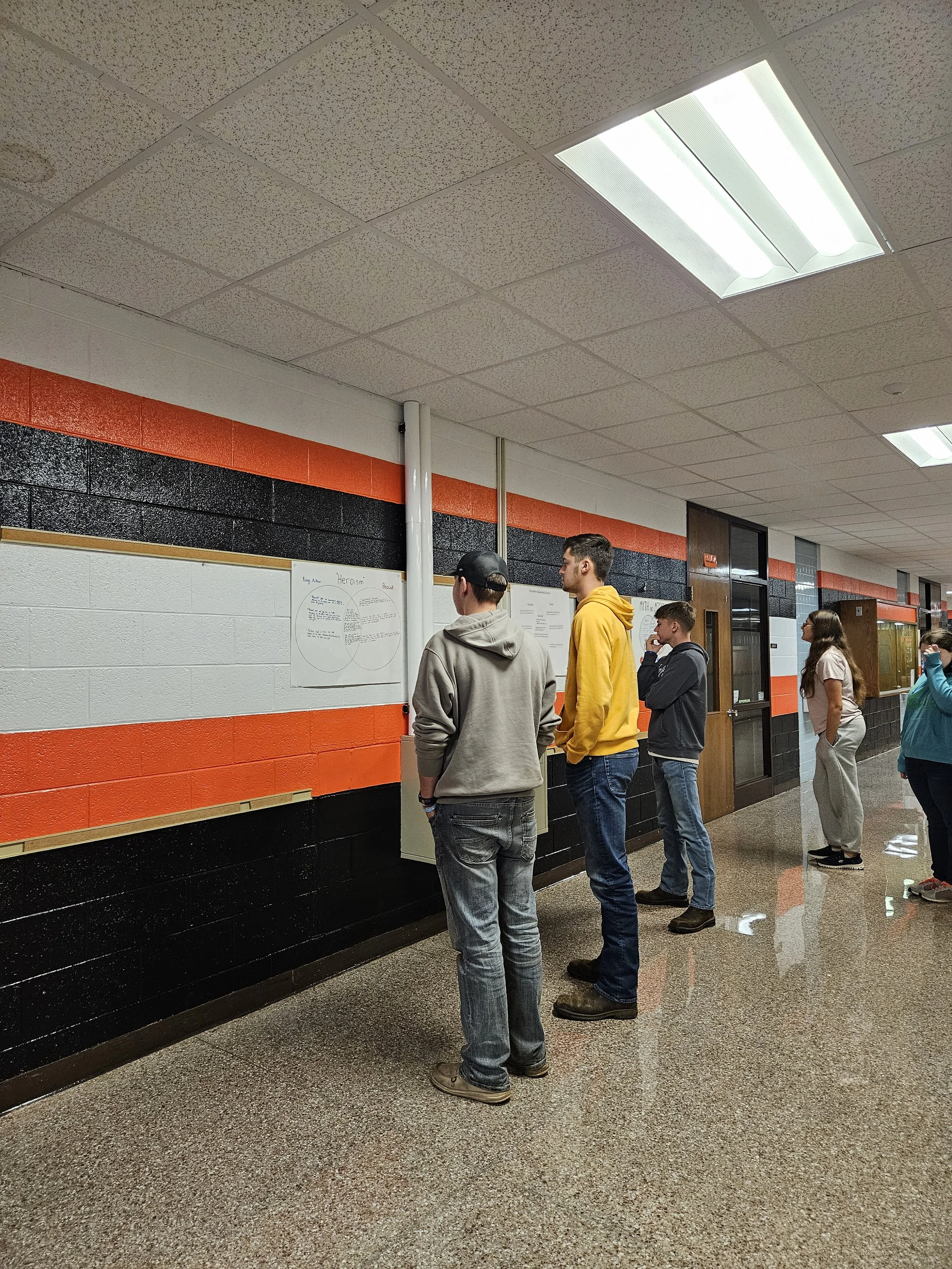
Learning does not happen out of thin air. That is why I incorporate scaffolding into my lessons. I do this by starting small, and building upon prior knowledge. Sometimes students do not come to me with prior knowledge on the topics we are discussing. Therefore, I have to build students knowledge before they can take on the more difficult aspects of a lesson. For example, I taught a lesson on ethics with my 9th grade students. They were not familiar with ethics before we stared our lesson. As a result, I had them construct a definition of ethics. Once we had a well rounded definition, we could then move into discussing how we saw ethics in the novel we were reading. The key with any well rounded lesson is to lay the groundwork for what is to come. That will make further lessons and learning much smoother.
Assessments:
⭐️ ⭐️
I believe it is important to use both formative and summative assessments in the classroom. I find myself incorporating more formative assessments into my lessons, as they provide me with an understanding of there students are at, and what topics I need to focus on more heavily. I never want my students to reach a summative assessment and still have zero clue how to do the work. Additionally, I try to do a variety of assessment styles. I have had students write papers, make a project, give a presentation, etc. allowing for variety in assessments can help the school day feel less stagnant and usually helps students to engage.
Accomidations and Modifications:
I have gained a lot of experience in the implementation and modification of lessons and assignments. From providing audiobooks, to giving fully differentiated assignments, I have been able to give students lessons that are catered to their learning needs. When developing lessons I reflect on the students in my class and determine their skill level and what systems I can put in place to help them do well. Sometimes this means looking back at past performance, but I also make sure to take into consideration any modifications or accommodations they have in place through their IEPs/504s. I have also found that when possible universal accommodations can be very helpful. It is important to keep in mind that sometimes, what can benefit one student, can benefit all students.
Examples:
Here are some examples of lessons I have created and taught while student teaching: